




Stop malware
before it reaches your network

Keep your data and network secure with intelligent file protection. Glasswall’s Zero Trust risk removal and AI-powered threat detection eliminates unknown malware before it reaches your trust boundary, ensuring seamless, proactive security.

Glasswall CDR is a part of Oracle Cloud Infrastructure's (OCI) approach to implementing a Zero Trust protection principle.

Oracle logo

Beazley's security is paramount, and this integration has significantly reinforced our cybersecurity framework.

Zero Trust & intelligent file protection

Access files safely

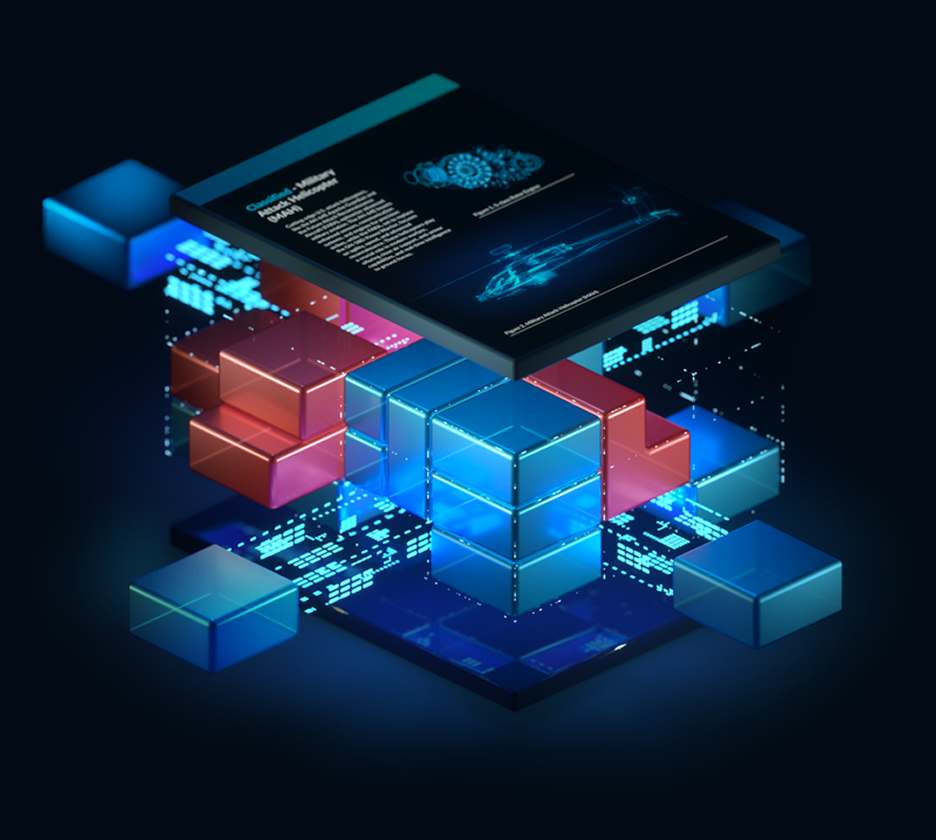
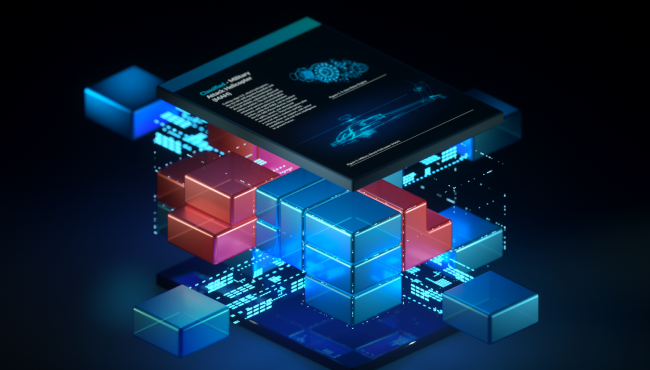
Glasswall’s Content Disarm and Reconstruction (CDR) acts as a Zero Trust data filter that rebuilds files and documents into a safe, clean standard, free from the risks of malware.

Enhanced security via ReversingLabs integration

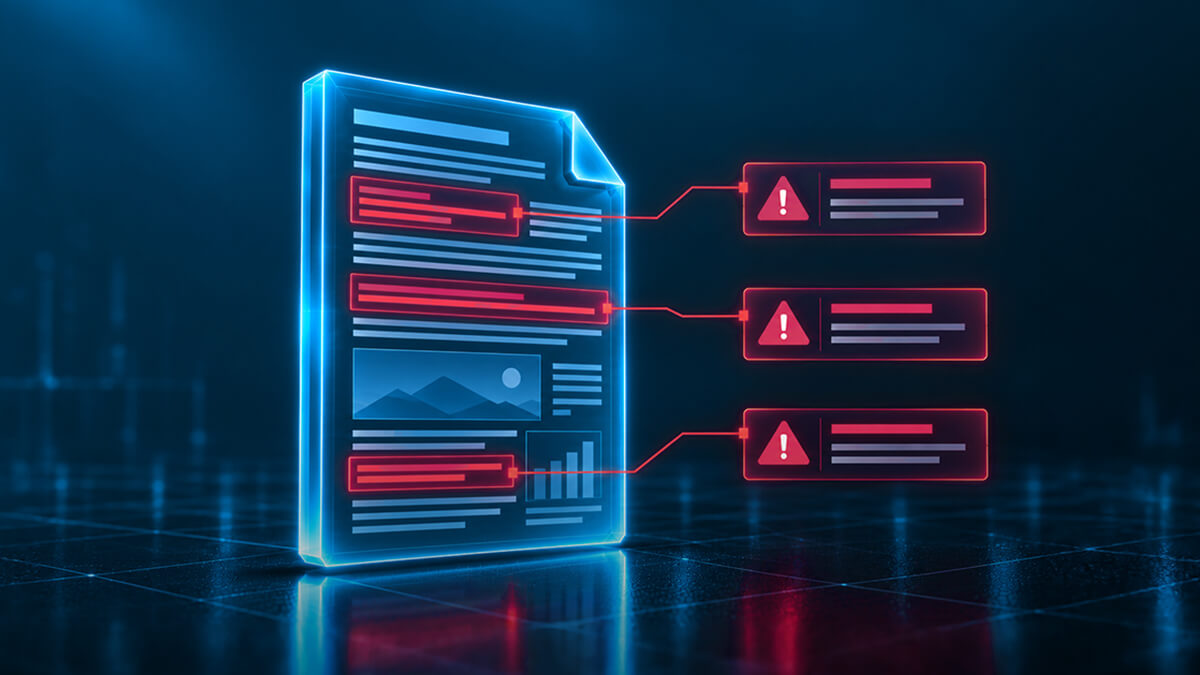
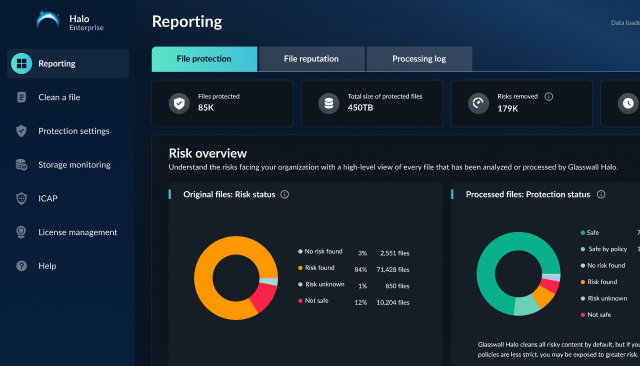
Leverage extensive file reputation technology with our ReversingLabs integration, to confidently assess files, reduce risk, and strengthen protection using a comprehensive database of known threats.

Safeguard your data

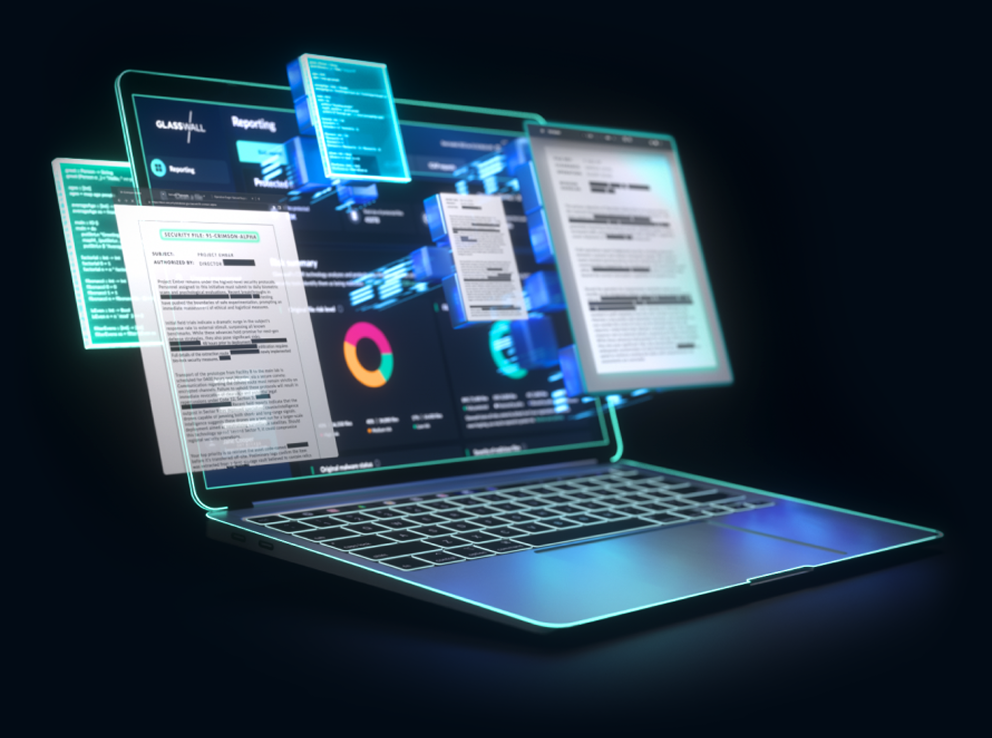
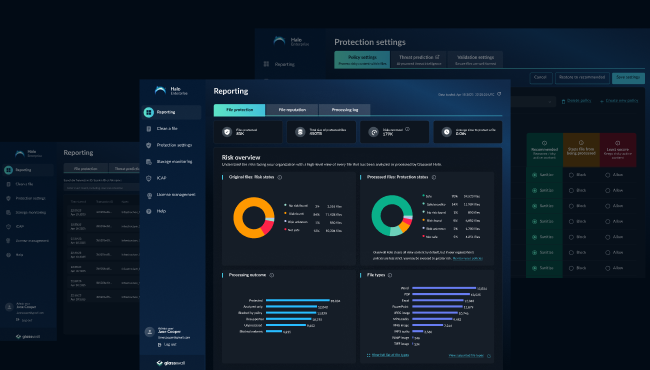
Protect sensitive information with Glasswall’s Data Loss Prevention technology. Block or redact data using customizable rules, uncover hidden elements like metadata, and ensure complete transparency while protecting your documents.

Access files safely

Glasswall’s Content Disarm and Reconstruction (CDR) acts as a Zero Trust data filter that rebuilds files and documents into a safe, clean standard, free from the risks of malware.

Enhanced security via ReversingLabs integration

Leverage extensive file reputation technology with our ReversingLabs integration, to confidently assess files, reduce risk, and strengthen protection using a comprehensive database of known threats.

Safeguard your data

Protect sensitive information with Glasswall’s Data Loss Prevention technology. Block or redact data using customizable rules, uncover hidden elements like metadata, and ensure complete transparency while protecting your documents.

Get in touch
to find out how Glasswall can strengthen your cybersecurity infrastructure.

Learn more about Glasswall’s Zero Trust CDR

Read our whitepaper to explore how Content Disarm and Reconstruction (CDR) enhances file security in Zero Trust architectures.

Click to read the whitepaper

Join our
global partner network

Be a part of our trusted partner network and help your customers access secure, malware-free files.

More insights on CDR

Explore Glasswall’s latest blogs, datasheets, whitepapers, guides, videos, and more in our continually updated repository.

FAQs

Lorem ipsum dolor sit amet, consectetur adipiscing elit. Suspendisse varius enim in eros elementum tristique.

How is Glasswall Halo deployed?

Glasswall Halo can be deployed on-premises, in private cloud environments, or within hybrid architectures, depending on organisational requirements and security policies.

How does Glasswall Halo work?

Glasswall Halo analyses files at a structural level and reconstructs them according to strict file format standards. Instead of scanning for known malware signatures, it removes any content that does not conform to the file specification, preventing zero-day and unknown threats.

How accurate is Glasswall Foresight?

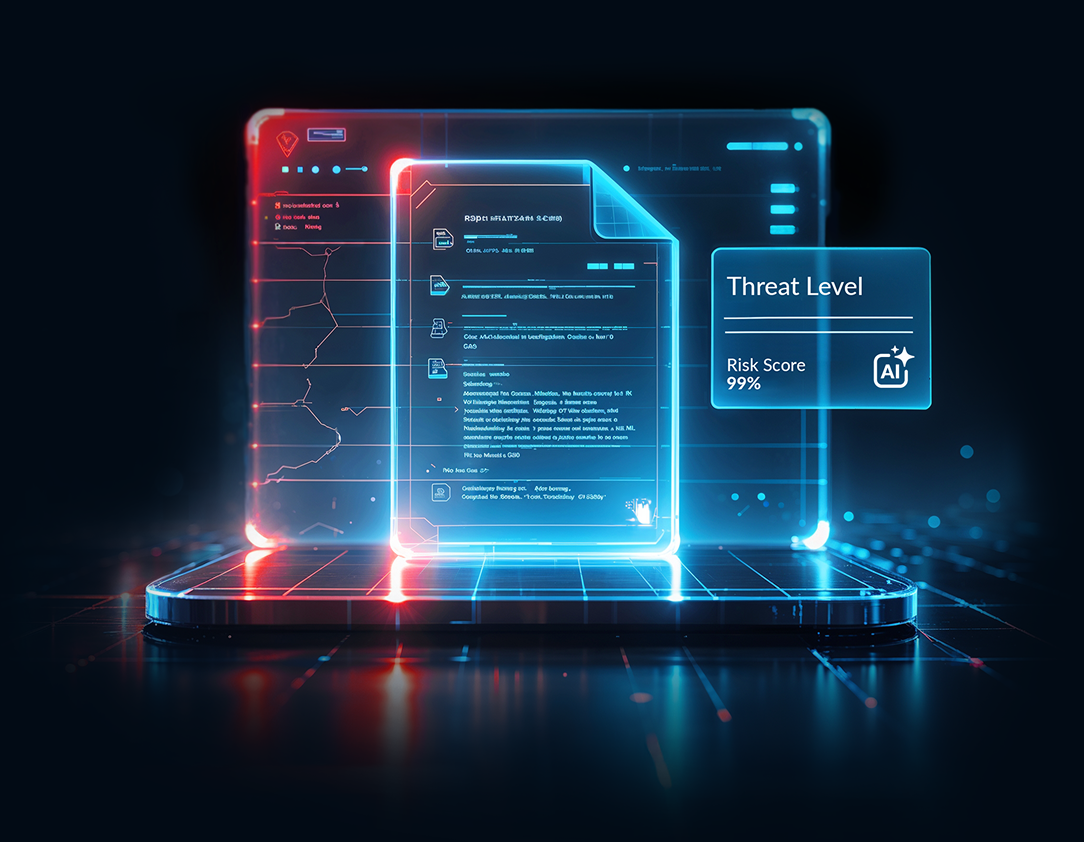
Glasswall Foresight is engineered to maintain extremely low false positive rates while delivering high-confidence threat scoring. In production environments, it has demonstrated a false positive rate as low as 0.015% for PDF files, reducing alert fatigue and accelerating security investigations.

What types of file threats can Foresight detect?

Foresight is designed to detect malicious intent in file-based threats, including zero-day malware, polymorphic variants, and previously unseen attacks embedded within common file formats. It focuses on structural indicators of compromise rather than relying on known threat signatures.

Does Foresight replace antivirus or endpoint protection?

Glasswall Foresight enhances existing security controls by adding predictive file intelligence. It can complement antivirus, sandboxing, and endpoint protection platforms by providing earlier visibility into unknown file threats. In high-assurance environments, it can also serve as a primary file inspection and risk scoring mechanism.

Does Glasswall Foresight rely on malware signatures?

No. Glasswall Foresight is signatureless. Traditional antivirus tools depend on known malware signatures, which can miss new or modified threats. Foresight evaluates file structure and telemetry using machine learning models, allowing it to identify unknown and zero-day malware without prior signature knowledge.

How is Foresight different from sandboxing?

Sandboxing detonates files in a controlled environment to observe behaviour, which can introduce delays, infrastructure overhead, and evasion risks. Glasswall Foresight does not detonate files. Instead, it analyses structural file characteristics and generates a probabilistic threat score instantly, reducing latency and working in offline or air-gapped environments.

How does Glasswall Foresight detect zero-day malware?

Foresight uses proprietary machine learning models trained on deep structural telemetry extracted during CDR inspection. Instead of looking for known malware signatures, it analyses how a file is constructed and identifies structural anomalies that indicate malicious intent. This allows it to detect previously unseen and zero-day threats without waiting for threat intelligence updates.

Talk to us
to strengthen your security

Eliminate malware before it reaches your network and ensure your files are always safe and secure with Glasswall’s Zero Trust and intelligent file protection.

Thank you! Your submission has been received!
Oops! Something went wrong while submitting the form.